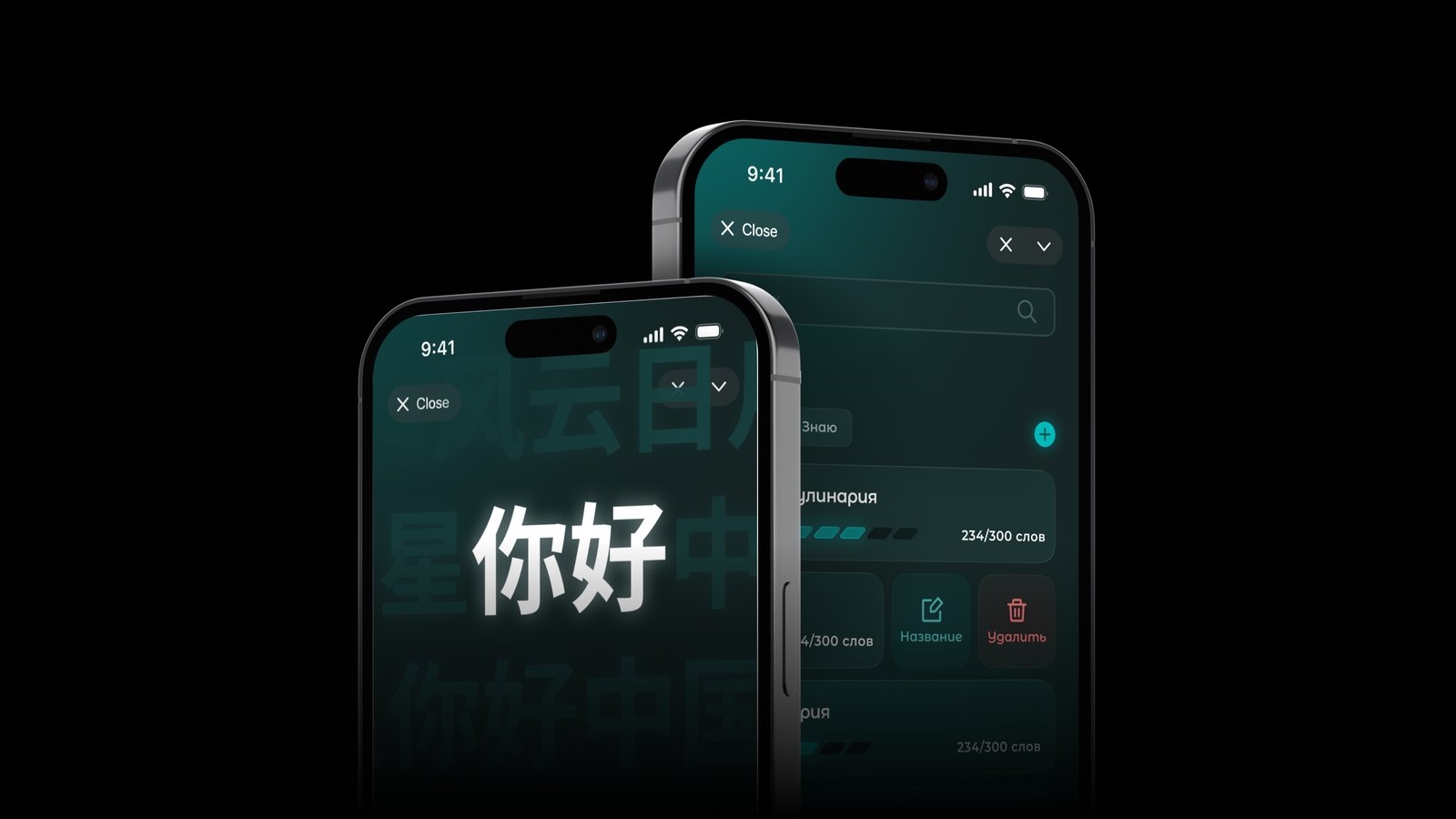
Shunli MiniApp
A Telegram MiniApp that uses speech models to score Mandarin tones and adapt each lesson to the learner.
Building a tone-aware tutor around speed, accuracy and feedback.
The challenge
Learning tones shouldn't feel like guessing in the dark.
Most learners practise alone with no one to hear their tones, so mistakes go unnoticed and quietly turn into habits.
The goal was to build a model that hears each syllable, scores its tone and shows the learner exactly what to repeat.
Understanding the data
Short recordings. Instant feedback.
Voice messages are processed right inside Telegram, so users never leave the chat.
A pitch tracker and a small CNN classify the tone of each syllable and feed results into reviews.
The model
A lightweight model for a mobile product.
The tone classifier is trained on native and learner recordings and quantized so it responds in under a second on a CPU.
Review scheduling is built on a spaced-repetition model that adapts intervals to every mistake.
The model
A lightweight model for a mobile product.
The tone classifier is trained on native and learner recordings and quantized so it responds in under a second on a CPU.
Review scheduling is built on a spaced-repetition model that adapts intervals to every mistake.
Pipeline
Small,
but precise.
The final MiniApp brings
speech recognition, tone scoring
and adaptive review sessions
into one chat-based tutor.
The main engineering rule remained
consistent throughout the project:
keep the model small without losing
accuracy.